We live within an ancient ecology.
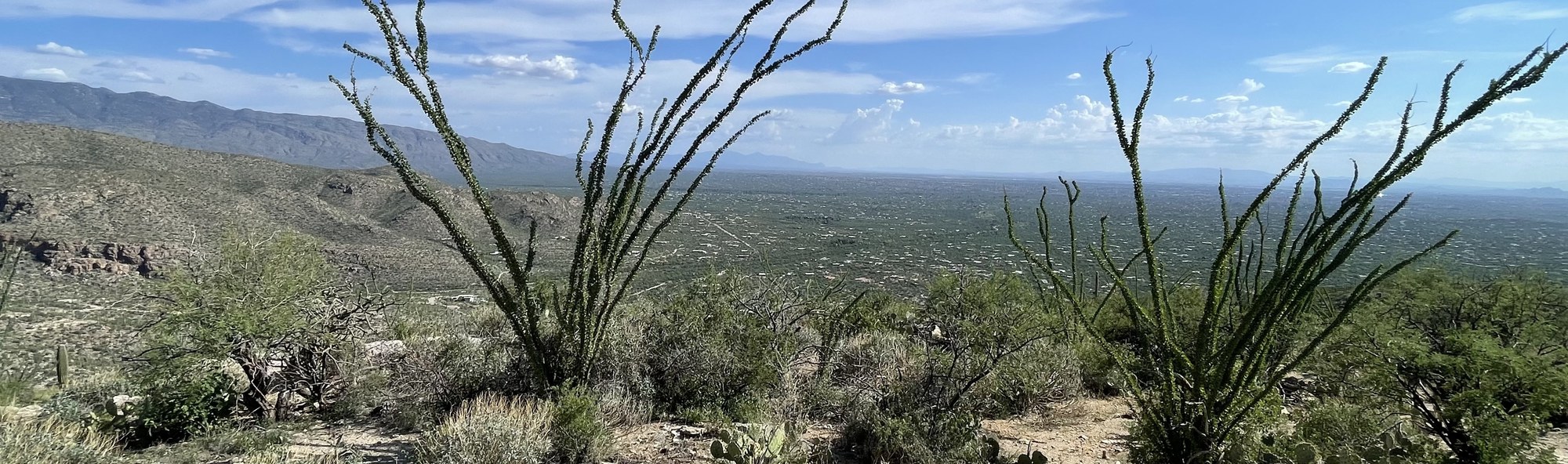
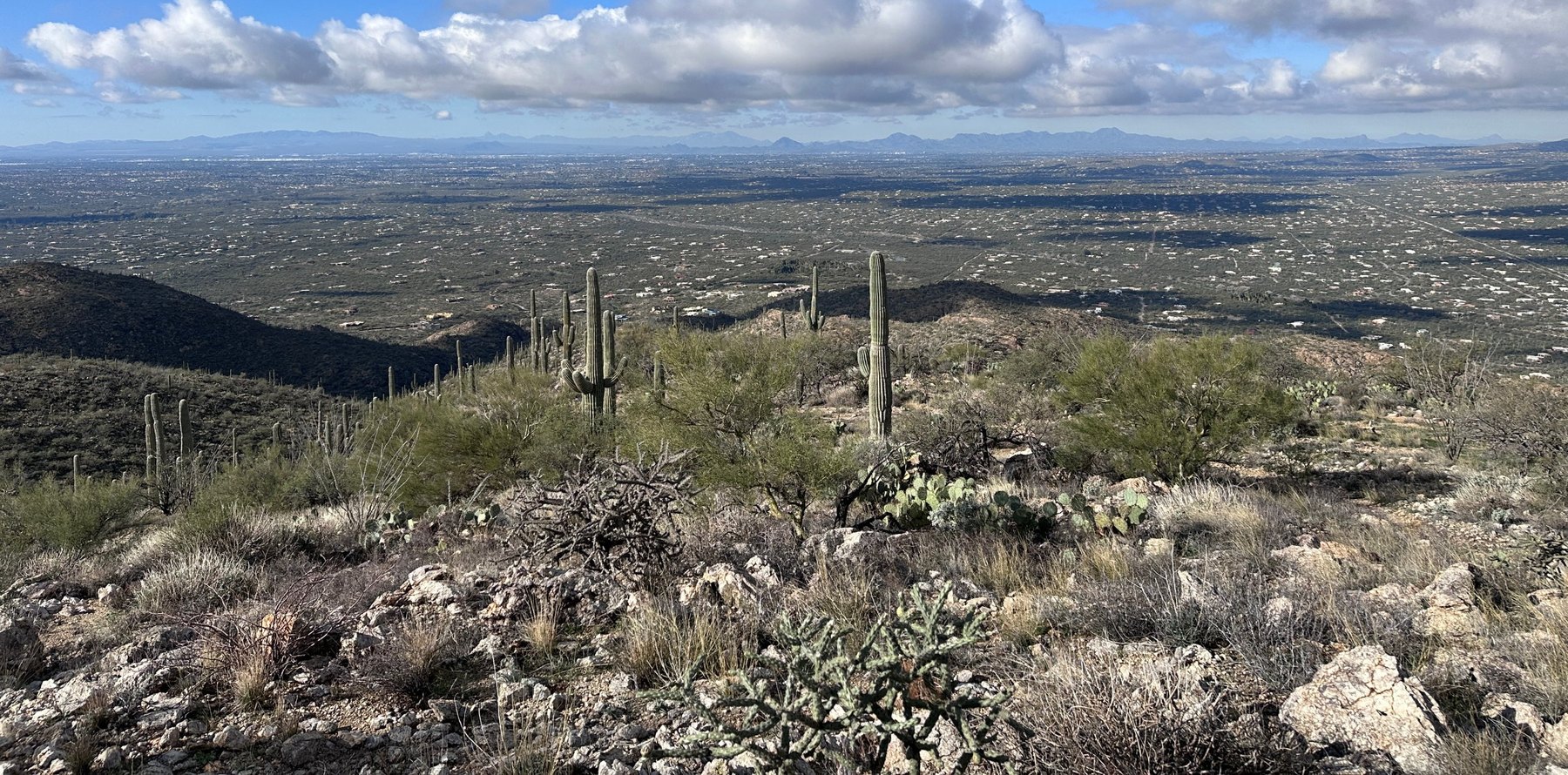
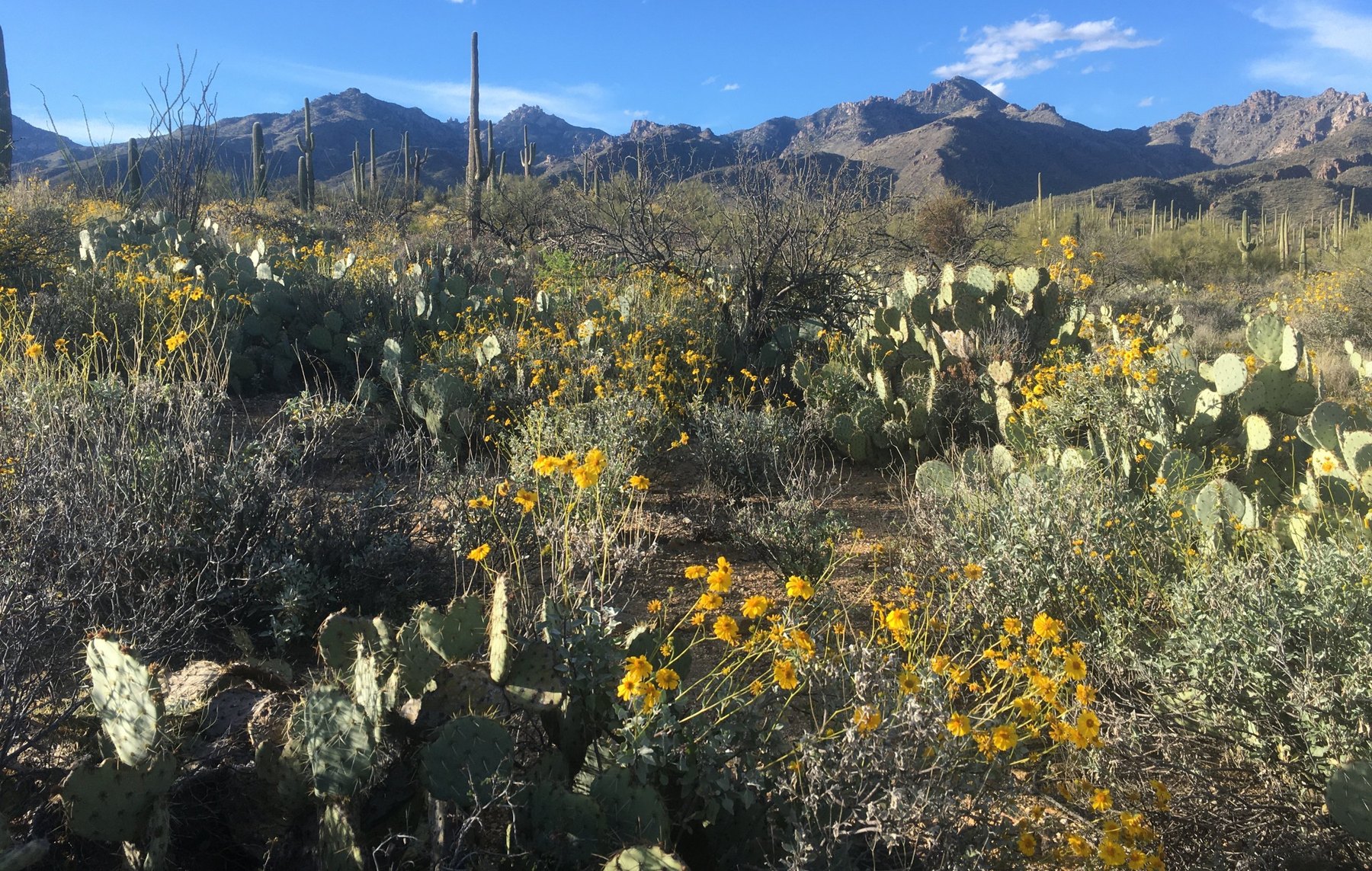
Tanque Verde Valley contains some of the most intact Sonoran Desert still remaining within a major metropolitan area.
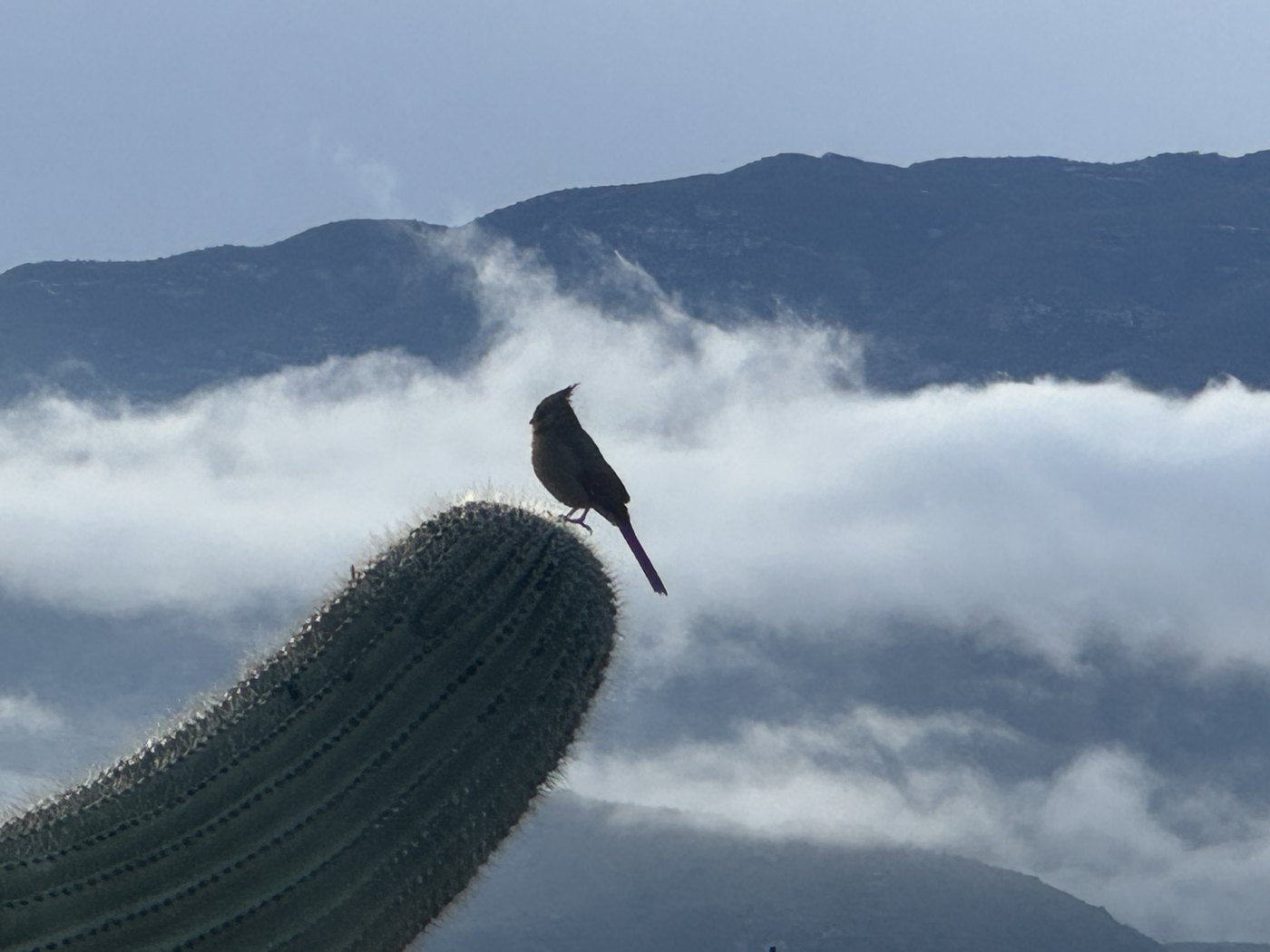
The plants, animals, and insects on your property are all part of this unique and ancient ecosystem, working together in complex relationships that allow this desert region to thrive.
Tanque Verde Valley is especially biodiverse and densely vegetated due to a unique microclimate that provides a few extra inches of rain and slightly cooler temperatures. Due to neighboring ranges and mountains, this valley gets an unusual amount of rainfall. Its unique topography channels rain and snowmelt from the surrounding altitudes into an extensive watershed. Its rich riparian vegetation and numerous washes double as wildlife corridors, connecting the Rincon Mountains, Agua Caliente Hill, Milagrosa Canyon and the Santa Catalina Mountains.
Because of its wealth of vegetation, habitat, and water, Tanque Verde Valley has a unique history. Tanque Verde cattle ranch was first established in 1868 and was active for over 100 years. As it was sectioned off and developed, it became a suburb of Tucson primarily for single residence housing and small acreages. Most of the original developers who purchased this land aimed to preserve the desert scenery, and unlike in much of Tucson, they often built homes with fully intact desert surroundings. Tanque Verde was intentionally developed and designed around the natural beauty and privacy of the desert wilderness.
This community exists within a living ecosystem. If we can understand how this ecosystem functions, we can help conserve, encourage, and celebrate the natural beauty that is unique to our neighborhood.
An Ancient Living Landscape
The Sonoran Desert has existed in Southern Arizona for 10,000 years. Desert plants have evolved with highly sophisticated adaptations to withstand some of the most extreme conditions on earth.
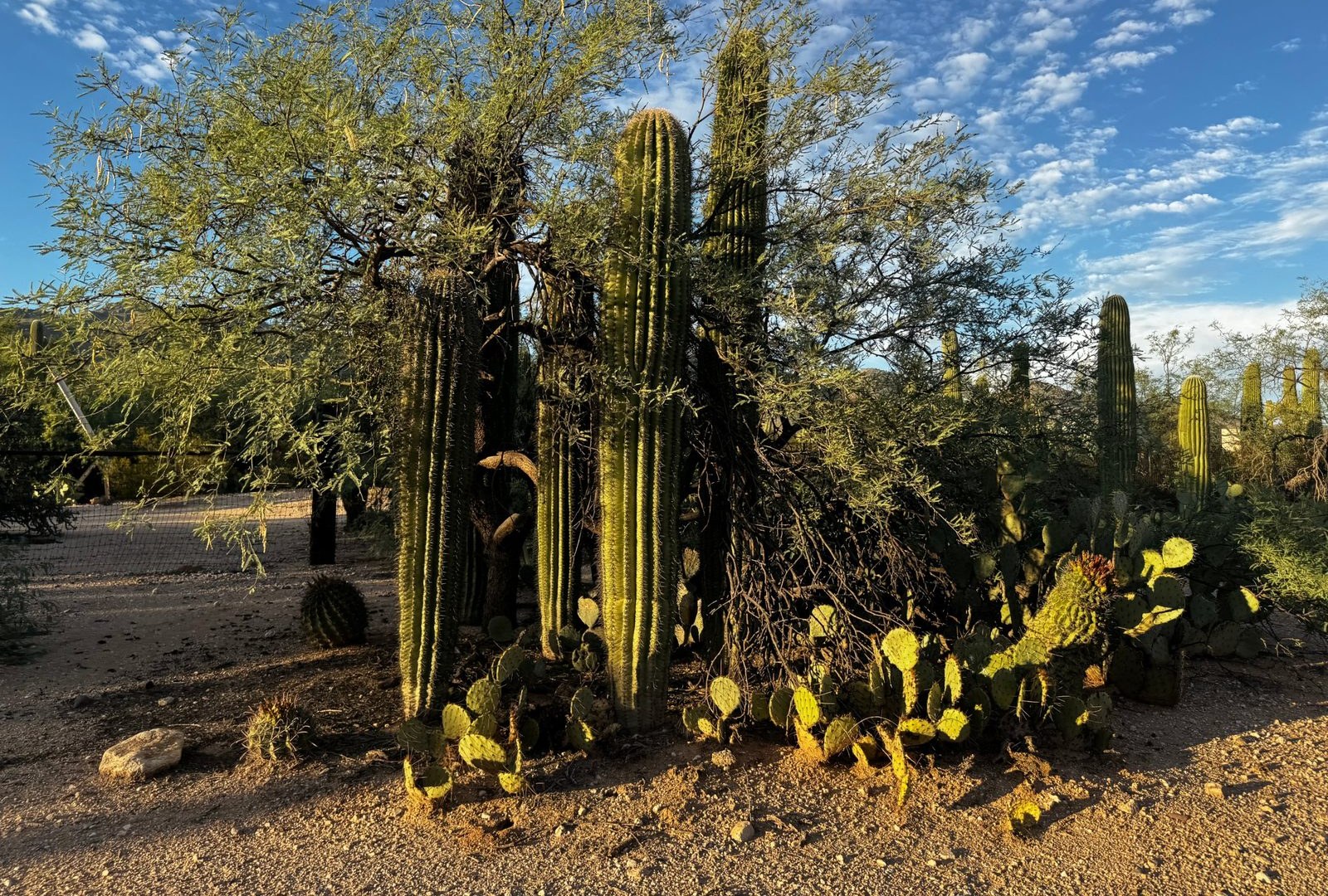
Desert plant communities take centuries to develop. The Sonoran Desert is like an old-growth forest. What can appear chaotic is a complex organized living system built slowly over generations. The region’s biodiversity depends on the layered structure of the desert. Any layer removed compromises the whole.
Desert Layers
- Upper Canopy (Trees) Palo Verdes, Velvet Mesquites, Ironwoods, mature Saguaro and Cholla forests
- Understory (Shrubs and Cacti) Creosote, Brittlebush, Acacias, Prickly Pear, Bursage, Adolescent Saguaros, Cholla, Barrel Cactus, larger Native Bunchgrasses
- Ground layer Wildflowers, smaller native grasses, pin cushion cactus, biological soil crusts, etc.
When these layers remain intact, the desert functions as a self-sustaining ecosystem.
Pioneer Plants
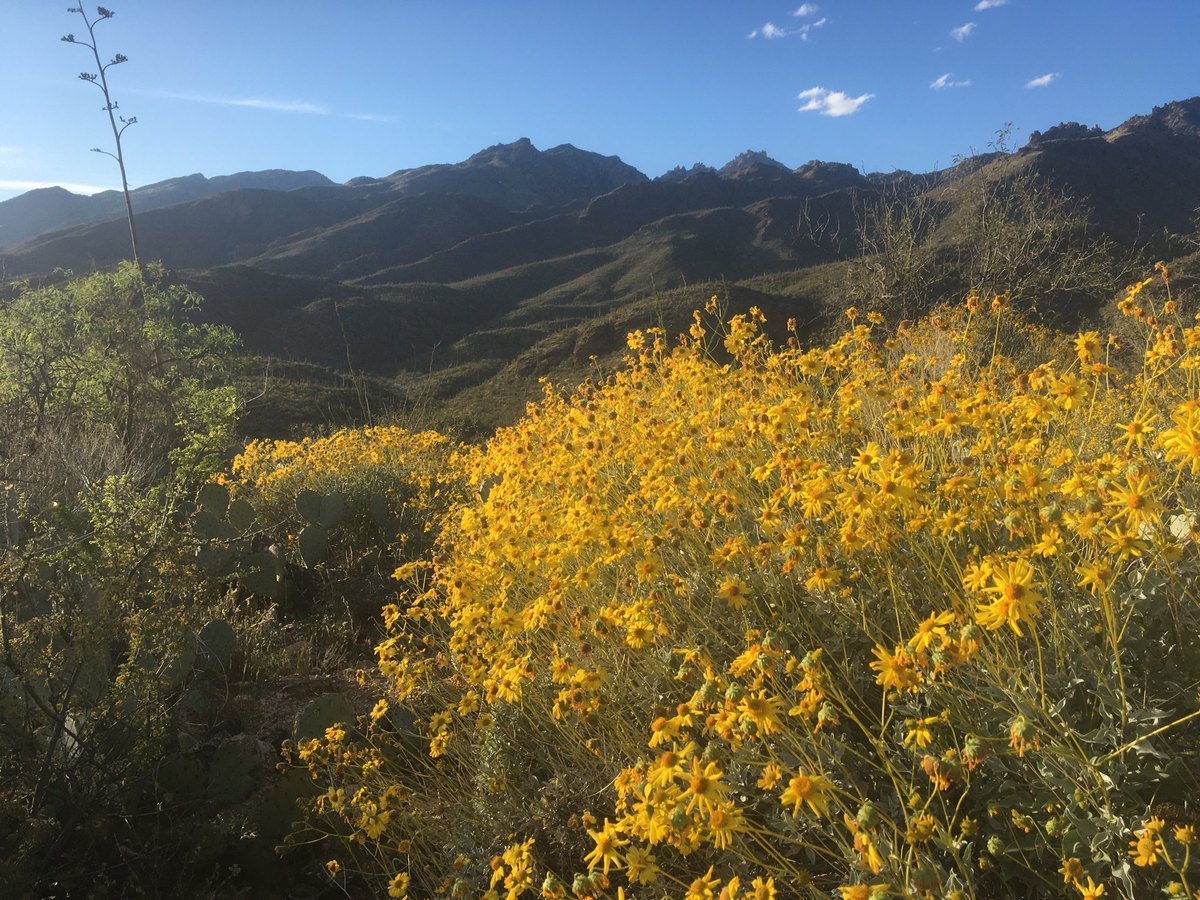
Pioneer plants can withstand direct sun and harsh conditions. Because of this they can recolonize cleared or damaged areas of desert and help other natives regenerate, acting as nurse plants or companion plants for more sensitive species. Pioneer plants are often the most targeted species for selective clearing because they appear to be dead brush during dormant periods (between rainy seasons). Their removal compromises the health of all other vegetation.
Pioneer plants:
- Shade soil and reduce extreme temperatures
- Protect young cactus and plant seedlings
- Prevent erosion
- Create habitat for insects, birds, and reptiles
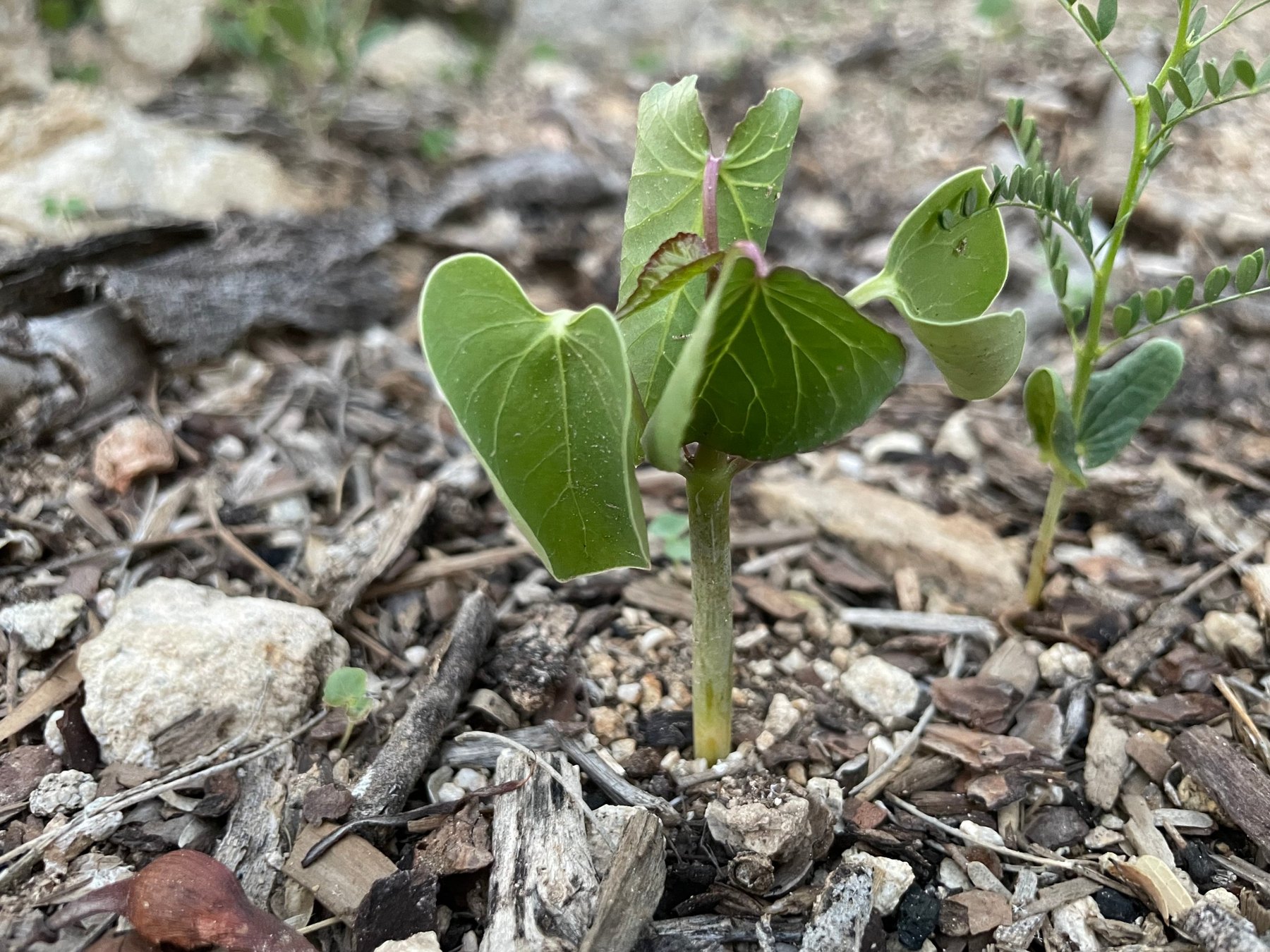
Pioneer plants are the first step in the natural regeneration system of the Sonoran Desert. Removing them eliminates a critical component of the ecosystem. Allowing or even encouraging them is the best way to restore the overall health of desert vegetation. If you see a newly sprouted plant on your cleared land, identify it before acting. If it is a pioneer plant, your property is attempting to restore itself.
Closing Message
The desert landscape and vegetation within Tanque Verde is highly unique to our area. It is a living ecosystem built over centuries…like an old growth forest. Once it is harmed, this system cannot easily regenerate.
- Leaving the desert untouched where it still exists is the most effective conservation strategy.
- Learning about native vegetation and how to regenerate it can restore damaged areas.
Protecting intact desert vegetation and encouraging regrowth helps preserve wildlife habitat, native biodiversity, soil stability, and the natural beauty that defines our community.
Thank you for celebrating our unique area.